
Did Netanyahu’s Call Derail the Islamabad Talks? The Story Behind the US–Iran Standoff
New Delhi: The sudden collapse of the historic talks between the United States and Iran in Islamabad has come as a major setback for global diplomacy. While the negotiations had raised hopes for peace in the Middle East, their abrupt failure has triggered serious questions. The most pressing one: what exactly happened at the final moment that caused talks—seemingly close to a breakthrough—to fall apart?
Iran’s Explosive Allegation
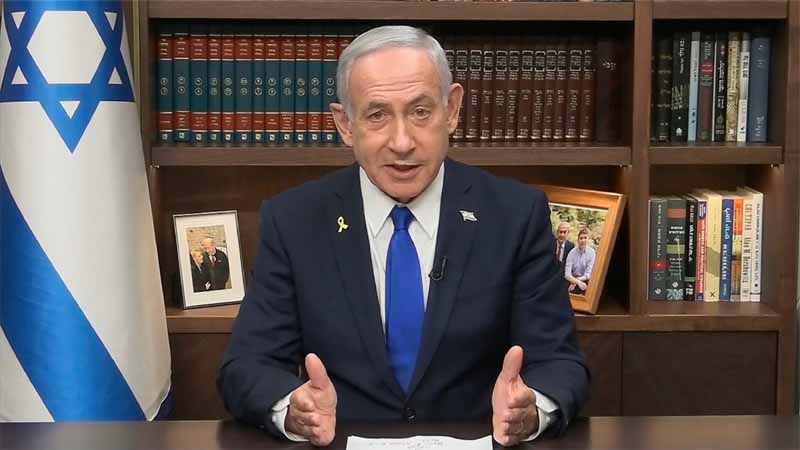
Iran’s Foreign Minister Seyyed Abbas Araghchi has made a striking claim. According to him, during the negotiations, Israeli Prime Minister Benjamin Netanyahu made a phone call to U.S. Vice President JD Vance, which influenced the course of events.
Araghchi alleges that after this call, the U.S. position shifted—moving away from the core US–Iran agenda and aligning more closely with Israeli interests. He further claimed that Washington began pushing demands at the negotiating table that it had failed to secure through military means.
A Sudden Shift Before the ‘Islamabad MoU’
Iran maintains that the talks were progressing positively and both sides were close to finalizing what was being referred to as the “Islamabad MoU.” However, just before a potential agreement, new and excessive demands, shifting goalposts, and unexpected conditions emerged, derailing the process.
Araghchi stated, “For the first time in 47 years, Iran entered talks with the United States in good faith. But in return, we faced distrust and pressure. Goodwill should be met with goodwill, not hostility.”
Nuclear Issue at the Core
Analysts believe Iran’s nuclear program also played a critical role in the breakdown. JD Vance had earlier emphasized in a press briefing that the U.S. requires firm guarantees that Tehran will not pursue nuclear weapons.
However, Iran insists that this issue was already part of ongoing discussions and that negotiations were moving forward constructively—until the sudden shift in stance disrupted the process.
Naval Blockade and Oil Price Surge
Following the collapse of talks, the United States announced a naval blockade of Iranian ports. The move had an immediate impact on global markets.
Oil prices surged sharply—crude rose by 8% to $104.24 per barrel, while Brent crude increased by 7% to $102.29 per barrel. Experts warn that escalating tensions in the Middle East could further destabilize energy markets in the coming days.
Rising Tensions in the Middle East
This episode once again highlights the complex geopolitical dynamics of the Middle East, where regional and global interests often collide. Balancing relations among Israel, the United States, and Iran has always been a delicate challenge.
If Iran’s allegations hold weight, it suggests how external interventions can significantly influence peace negotiations.
What Lies Ahead?
The key question now is whether the United States and Iran will return to the negotiating table or if the standoff will deepen further. For now, the situation remains tense, with the global community closely watching developments.
The collapse of the Islamabad talks is not just a diplomatic failure—it is a reflection of the fragile and intricate balance of global power, where even a single phone call can alter the course of international relations.