
US–Iran Ceasefire: Steps Toward Peace or Just a Temporary Pause?
New Delhi: Amid prolonged tensions in West Asia, Iran and the United States have agreed to a two-week ceasefire. However, Iran has made it clear that this is not a permanent resolution but merely a temporary pause. This raises a crucial question: is this a genuine step toward lasting peace, or simply an attempt to delay further escalation?
According to sources, formal talks between the two countries are expected to begin soon, with Islamabad being considered as a possible venue. The negotiations are likely to be based on several key conditions laid out by both sides.
Strait of Hormuz: A Strategic Focal Point
During the ceasefire period, Iran has agreed to reopen the Strait of Hormuz, a critical route for global oil supply. However, it has also stated that the passage will remain under the supervision of its military, indicating that access will not be entirely unrestricted.
Iran’s 10-Point Plan: Key Conditions
At the core of Iran’s proposal is a comprehensive 10-point framework aimed at achieving a lasting ceasefire, focusing on regional stability and economic recovery. The main demands include:
A complete end to ongoing conflicts in Iran, Iraq, Lebanon, and Yemen
A permanent halt to any military action against Iran
Strict protocols to ensure safe navigation through the Strait of Hormuz
Compensation for war-related damages
Removal of all economic sanctions imposed on Iran
Release of Iranian funds and assets frozen by the United States
Reaffirmation of Iran’s commitment not to pursue nuclear weapons
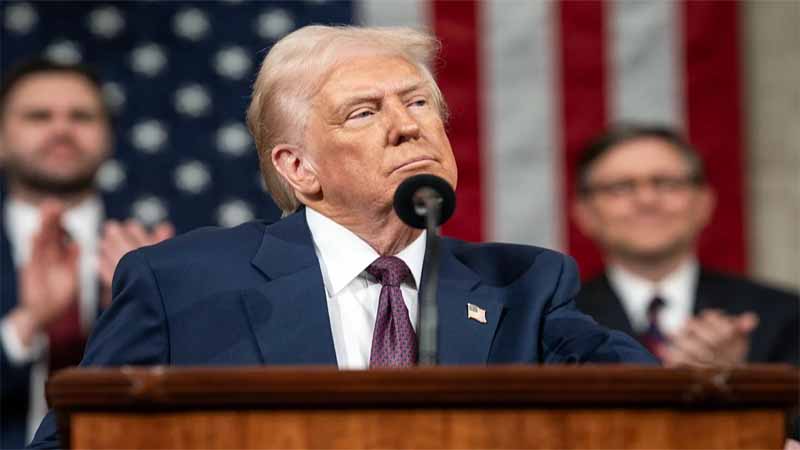
Meanwhile, Donald Trump described the two-week “mutual ceasefire” as a positive development. He indicated that progress in negotiations could pave the way for a broader agreement in the near future.
Differences Still Persist
Despite these developments, significant differences remain between the two sides. While reopening the Strait of Hormuz and the ceasefire signal a reduction in immediate tensions, experts believe this is more of a “conflict management” measure rather than a definitive solution.
The upcoming negotiations will be crucial in determining whether this initiative leads to lasting peace or proves to be yet another temporary pause in a long-standing geopolitical conflict.