
HPCL recycled nearly 12,000 tonnes of plastic and achieved 100% EPR recollection compliance in FY 2025–26
New Delhi : On this World Environment Day, Hindustan Petroleum Corporation Limited (HPCL), a Maharatna Central Public Sector Enterprise, reaffirms its commitment to building a cleaner, greener and more responsible tomorrow. For HPCL, environmental stewardship is not a slogan it is a way forward rooted in innovation, responsibility and nation building.
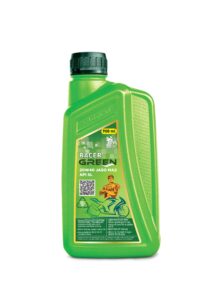
At HP Lubricants, decisive steps are being taken to reduce environmental footprint through sustainable packaging solutions. Across its lubricant portfolio, HPCL has successfully implemented 30% to 40% Post Consumer Recycled (PCR) material in plastic packaging, reducing dependence on virgin plastic and strengthening its commitment to a circular economy. Taking this commitment further, HP Racer Green now comes in 100% PCR package a milestone that reflects the belief that high performance and environmental responsibility can move forward together. This demonstrates how innovation can create products that protect engines while also protecting the planet.
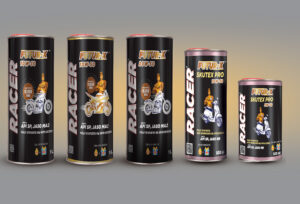
In addition, HPCL continues to promote sustainable packaging through the manufacture of 100% recyclable tin packs, reinforcing its commitment to responsible resource utilisation, weight and waste reduction and environmental conservation without compromising pack performance. This initiative is aligned with the national vision of Mission LiFE. By embracing circularity and promoting responsible resource utilisation, HPCL contributes to a future where progress and sustainability go hand in hand.
How Recycled Packaging is Built: Inside the Circular Journey from Waste to Packaging
HP Lubricants is working towards building a more circular and sustainable packaging ecosystem through the usage of recycled plastic in lubricant containers. Post Consumer Recycled (PCR) material refers to recycled rigid plastics PET, HDPE and PPCP which are collected, cleaned, processed and granulated before being reused in packaging manufacturing. Plastic waste is sourced largely from the unorganised sector through scrap collector networks, thereby also contributing towards livelihood generation within the waste collection ecosystem.
How EPR Compliance is Scaling Sustainability Across Packaging Value Chain
The initiative is aligned with Extended Producer Responsibility (EPR) compliance requirements under the Ministry of Environment, Forest and Climate Change (MoEFCC). Under EPR regulations, companies are required to fulfil two key obligations: recollection of equivalent quantities of plastic introduced into the market, and usage of recycled plastic in packaging materials. HPCL has achieved 100% recollection compliance for FY 2025–26 across applicable packaging and used oil obligations. Approximately 12000 tonnes of plastic introduced into the market by HPCL have already been collected and are being channelled back into productive use.
As part of EPR compliance requirements, HPCL has also incorporated the usage of recycled plastic across its packaging ecosystem, with PCR integration continuing to expand across additional product lines. Despite recycled plastic currently being more expensive than virgin plastic, HPCL remains committed to sustainable packaging adoption, with the larger objective of environmental impact reduction and responsible resource utilisation.