Upendra Kushwaha’s Political Maze: A Leader at the Crossroads of Bihar Politics
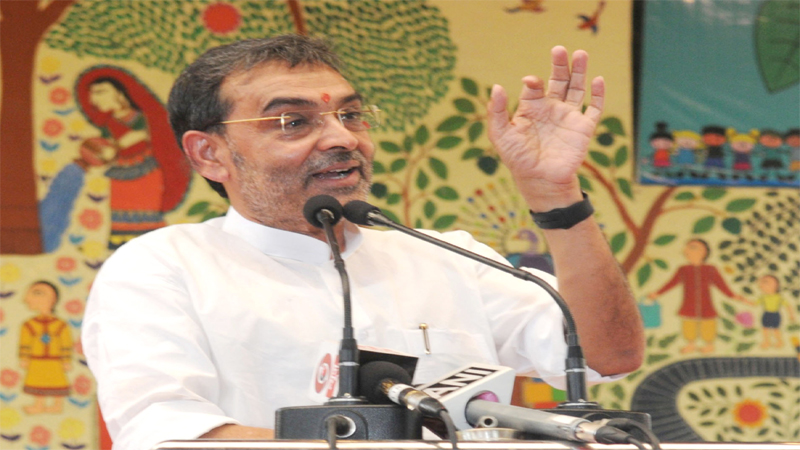
Patna: Once regarded as a kingmaker and one of the most influential faces of Bihar’s backward-class politics, Upendra Kushwaha now appears to be navigating one of the most challenging phases of his political career. Despite receiving unprecedented political recognition from the BJP-led NDA over the past two years, his independent political influence seems to be shrinking rather than expanding.
Even after his defeat from the Karakat Lok Sabha constituency, the BJP continued to extend political support to Kushwaha. He was nominated to the Rajya Sabha and given an active role in national politics. His party also secured a respectable share in the Assembly elections, with four legislators, including his wife, winning seats. Under normal circumstances, such achievements would be considered significant for a regional party. However, Bihar’s political landscape is shaped not merely by positions and seats but by grassroots support and organizational strength.
The biggest challenge before Kushwaha today is the steady erosion of his party’s independent voter base. Political observers argue that the party may struggle to win many Assembly constituencies on its own. Speculation within political circles suggests that some of his legislators could eventually gravitate toward the BJP if political circumstances become favorable. This reflects a broader concern that a substantial portion of Kushwaha’s political capital is now dependent on the NDA rather than on an independent support base.
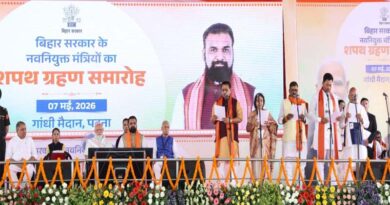
Meanwhile, the BJP has recalibrated its social engineering strategy. By projecting Samrat Choudhary as a prominent Chief Ministerial face, the party has sought to establish a strong connection with Bihar’s Kushwaha community. This move allows the BJP to claim that it has provided the community with one of the highest political platforms in the state, naturally challenging Kushwaha’s traditional position as its most recognizable political representative.
There were also expectations within Kushwaha’s camp that his son would be accommodated through the Legislative Council, helping establish the next generation of leadership. That, however, did not materialize. The development was interpreted by some observers as a signal that the BJP is less inclined toward promoting dynastic succession than many regional parties. At the same time, the party’s decision to nominate singer-turned-politician Pawan Singh to the Legislative Council was seen as a broader political message aimed at reshaping caste and social equations in the Shahabad region.
In Shahabad as well, Kushwaha’s influence no longer appears as dominant as it once was. The rise of leaders such as Bhagwan Singh Kushwaha in the JD(U) and RJD MP Abhay Kushwaha has created alternative centers of leadership within the Kushwaha community. Political analysts note that a significant section of voters in the region now looks beyond Upendra Kushwaha for representation and leadership.
Following the 2024 Lok Sabha elections, discussions within NDA circles reportedly focused on the impact of Kushwaha’s candidature in Karakat on broader electoral calculations. Some leaders argued that caste dynamics in neighboring constituencies such as Aurangabad and Arrah were affected. While such assessments remain matters of political debate, the election results undoubtedly raised fresh questions about Kushwaha’s electoral appeal.
The central question now is: what path lies ahead for Upendra Kushwaha? Leaving the NDA would be risky given the limited independent strength of his party. Yet remaining within the alliance presents its own challenges as the BJP continues to expand its organizational and social footprint among communities traditionally associated with Kushwaha’s politics.
In Bihar, political arithmetic often defies conventional calculations. Through leaders such as Samrat Choudhary and Pawan Singh, the BJP appears to be attempting a broader social coalition that could redefine existing equations. In such a scenario, Kushwaha’s challenge is not merely to preserve his political relevance but to redefine it.
Today, Upendra Kushwaha appears somewhat like Abhimanyu in a political Chakravyuh—having entered a complex arena but still searching for a clear path forward. The coming years will determine whether he can reclaim a central role in Bihar politics or gradually drift toward the margins of the state’s ever-evolving political landscape.