Why Did PM Modi Urge Indians Not to Buy Gold for a Year? What Will Be the Impact on Jewellers?
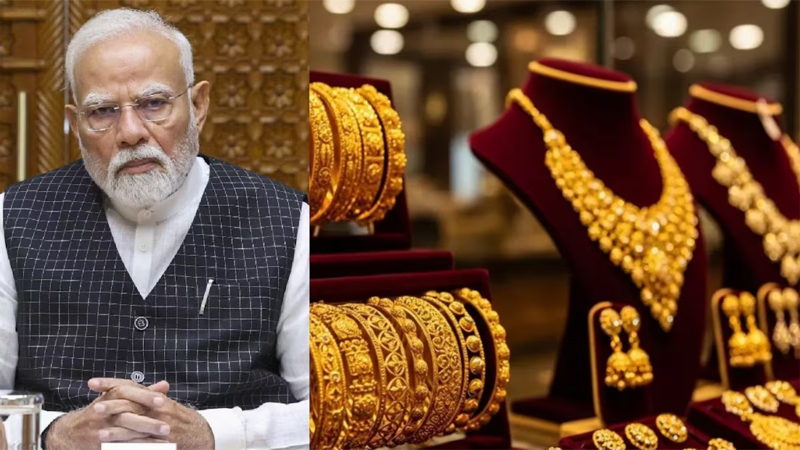
New Delhi: Prime Minister Narendra Modi’s appeal asking citizens not to buy gold for weddings for the next one year may sound surprising at first, but it carries a significant economic message. The appeal comes at a time when India is facing mounting challenges due to the global energy crisis, rising crude oil prices, and increasing pressure on the country’s foreign exchange reserves.
Experts believe that the Prime Minister’s message is not merely about saving money, but a broader strategy aimed at maintaining economic stability during a period of global uncertainty.
Why was this appeal made?
PM Modi’s remarks came amid escalating tensions in the Middle East and growing conflict around the Strait of Hormuz, one of the world’s most critical oil shipping routes.
Due to rising geopolitical tensions, global crude oil prices have surged sharply. Within just a few weeks, prices have risen from around $70 per barrel to nearly $126 per barrel, significantly increasing India’s import bill.
The Prime Minister said,
“Petrol and diesel have become extremely expensive across the world. It is our collective responsibility to conserve fuel and protect our foreign exchange reserves.”
During the same address, he also urged citizens to avoid buying gold for weddings for the next one year.
Why does gold become a problem during an oil crisis?
From an economic perspective, gold and crude oil share one important similarity—both are imported in large quantities and paid for in US dollars.
India imports nearly 85 percent of its crude oil requirements and is also among the world’s largest importers of gold.
When oil prices rise and gold imports remain high, the country has to spend significantly more dollars. This increases demand for the US currency and puts pressure on the Indian rupee.
How does this affect the rupee?
A higher demand for dollars directly weakens the rupee.
A weaker rupee makes imported goods such as electronic products, medicines, and industrial machinery more expensive. It also widens the Current Account Deficit (CAD), adding further pressure on the economy.
According to experts, if millions of Indian families continue buying gold during this period, it could place additional strain on India’s foreign exchange reserves.
What is the government’s strategy?
The government cannot stop importing oil because it is essential for transportation, industry, and power generation.
However, gold purchases are considered discretionary spending and can be postponed temporarily.
The strategy is to ensure that scarce foreign exchange is used for essential imports like fuel rather than non-essential purchases such as gold.
What will happen to jewellers?
The Prime Minister’s appeal could impact the jewellery market.
A decline in gold purchases during the wedding season may affect jewellers and ornament traders, especially small and medium-sized businesses that rely heavily on seasonal demand.
However, experts believe the impact may be temporary. Demand for lightweight jewellery, silver ornaments, and alternative designs could rise as consumers look for affordable substitutes.
Similar steps have been taken before
This is not the first time the government has attempted to curb gold demand.
During the 2013 economic crisis, the government increased import duties on gold and promoted alternatives such as Sovereign Gold Bonds (SGBs) to encourage digital investment instead of physical gold purchases.
The message: “Saving is patriotism”
Experts say the Prime Minister’s appeal reflects a form of economic nationalism.
They believe that if families postpone gold purchases for some time, it would strengthen foreign exchange reserves and help stabilize the rupee.
As one economist put it,
“An individual family’s savings may seem small, but the collective savings of 1.4 billion people can become India’s economic shield.”
At a time of global uncertainty, the government is seeking public cooperation to help the country withstand economic challenges more effectively.