
Rain, Tea and Pakoras: Why Do We Crave Them as Soon as the Monsoon Arrives?
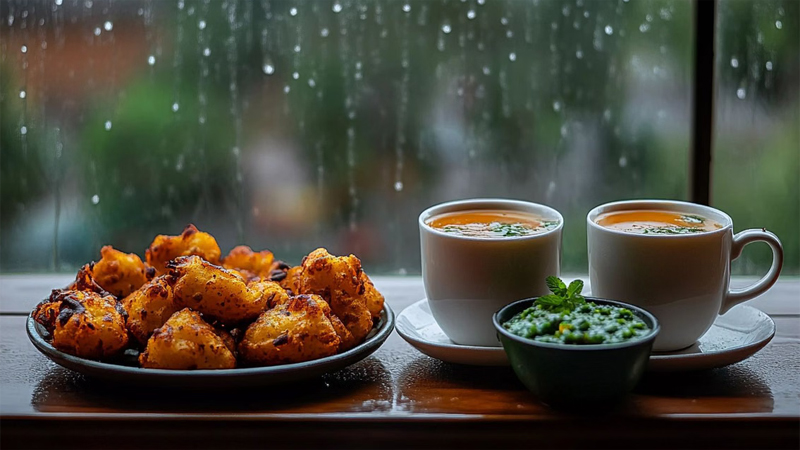
New Delhi: Dark clouds gathering in the sky, raindrops tapping on the window, and a steaming cup of tea paired with crispy pakoras—this combination defines the Indian monsoon for millions. It almost feels as though the rainy season is incomplete without it. But have you ever wondered why the first spell of rain instantly makes us crave hot tea and fried snacks?
The connection between rain and tea-pakoras goes beyond taste. It is deeply rooted in our emotions, memories, seasonal changes, and even the way our body responds to the weather.
Why Do Pakoras Become a Monsoon Favorite?
Every region of India has its own rainy-season delicacies. While onion pakoras are a favorite in some households, others prepare potato, spinach, or chili fritters. Mangodis, bhajiyas, and spicy chaat are also popular monsoon treats.
As soon as the weather turns pleasant, frying pans come out, kitchens fill with the aroma of freshly fried snacks, and a cup of ginger or cardamom tea completes the experience. For many families, this has become a cherished seasonal tradition.
It’s Not Just About Taste—Your Brain Plays a Role Too
Health experts say that during the rainy season, reduced sunlight exposure can lead to lower levels of Vitamin D in the body. This may affect the production of serotonin, often called the “feel-good hormone.”
When serotonin levels decline, people are more likely to crave carbohydrate-rich and fried foods. This is one of the reasons why pakoras, bhajiyas, and other savory snacks seem especially irresistible during rainy days.
The Link Between Rain and Laziness
The monsoon also brings increased humidity and less sunlight, which can influence the body’s production of melatonin, the hormone that regulates sleep and the body’s internal clock.
Higher melatonin levels may make people feel sleepy, sluggish, or less energetic. In response, the brain tends to seek comforting foods that can improve mood and provide a sense of warmth and satisfaction. A hot cup of tea and crispy pakoras fit that need perfectly.
A Strong Emotional Connection
Psychologists believe that food is closely tied to emotions and memories. Childhood memories of enjoying rain with family, sharing tea and pakoras with friends, or spending cozy afternoons indoors often become associated with the monsoon.
When it rains, these pleasant memories are triggered, making us naturally long for the same comforting foods that once accompanied those happy moments.
Is It Healthy to Eat Pakoras Every Day?
Health experts advise moderation. During the monsoon, digestion may become relatively slower, and consuming excessive fried or unhygienic street food can increase the risk of stomach infections and digestive issues.
If you wish to enjoy tea and pakoras, preparing them at home with fresh ingredients and consuming them in moderation is considered a healthier choice. Pairing them with green chutney, yogurt, or a fresh salad can also help create a more balanced meal.
The Bottom Line
The timeless pairing of rain, tea, and pakoras is much more than a culinary habit. It is a fascinating blend of science, psychology, culture, and nostalgia. Changes in weather, hormonal responses, comforting childhood memories, and the irresistible aroma of freshly fried snacks all come together to make this combination a hallmark of the Indian monsoon.
So, the next time the rain begins to fall and you find yourself reaching for a steaming cup of tea and a plate of crispy pakoras, remember—it isn’t just your taste buds at work. Your mind and body are responding naturally to the season in a way that generations of Indians have come to cherish.