
Supreme Court Questions Demand for Complete Ban on Pellet Guns, Directs Best Medical Care for Injured and Preservation of RAF Records
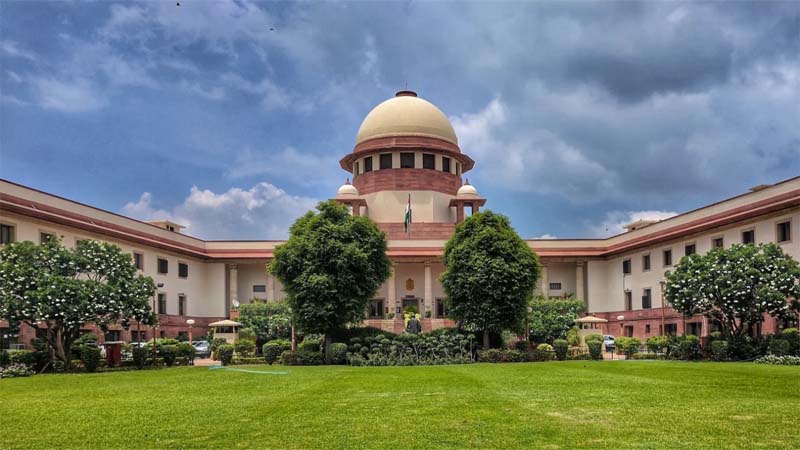
New Delhi: The Supreme Court has directed the Delhi Government to ensure the best possible medical treatment for those injured during the alleged use of pellet guns in the student protest held on July 20. The Court also ordered that records of weapons used by the Rapid Action Force (RAF) during the protest be preserved.
A Bench comprising Chief Justice Surya Kant, Justice Joymalya Bagchi, and Justice V. Mohana questioned the plea seeking a complete ban on the use of pellet guns. The Bench observed that law enforcement agencies are permitted to use pellet guns only in exceptional circumstances, and therefore sought clarification on the basis for demanding an outright prohibition.
Court Prioritises Medical Treatment for the Injured
During the hearing, senior advocate Vrinda Grover informed the Court that several people had suffered pellet injuries during the July 20 student protest and required proper medical attention. Taking note of the submissions, the Supreme Court directed the Delhi Government to provide the injured persons with the best available medical treatment.
Direction to Preserve RAF Weapon Usage Records
The Bench also instructed Solicitor General Tushar Mehta, appearing for the Centre, to ensure that records relating to the use of weapons by the Rapid Action Force (RAF) personnel deployed at Jantar Mantar during the protest are preserved. The Court indicated that it is prepared to examine the issue of pellet gun use during the demonstration in greater detail.
Petition Seeks Ban on Pellet Guns and Compensation
The petition has been filed by two individuals who alleged they were injured by pellet guns during the student protest. Former IPS officer Yashovardhan Azad is the third petitioner in the case.
The plea seeks a ban on the use of pellet guns against civilians, compensation for those injured, and the issuance of appropriate guidelines to prevent similar incidents in the future.
At this stage, the Supreme Court has not delivered a final verdict on the matter. Instead, it has prioritized medical care for the injured and the preservation of evidence while the case remains under consideration.