
Tourist Arrivals from the UK Increase More Than Fourfold as Rajasthan Looks to Global Tourism Markets: Ajay Kumar Sharma
Jaipur : The Rajasthan Tourism Department will participate in the World Travel Market (WTM) London 2026, scheduled to be held from November 3 to 5. Tourism stakeholders from Rajasthan’s private sector, including travel agents, tour operators and hoteliers, will participate in the event. Efforts will also be made to promote and encourage bookings for the Palace on Wheels, a flagship tourism product of Rajasthan Tourism Development Corporation (RTDC). A roadshow is also being organised jointly with FHRT, providing a platform for the wider promotion of Rajasthan’s tourism offerings in international markets.
Under the leadership of Chief Minister Bhajan Lal Sharma and the guidance of Deputy Chief Minister and Tourism Minister Diya Kumari, Rajasthan is focusing on connecting its tourism sector with global markets and expanding opportunities for investment and employment. Tourism Commissioner Rukmani Riar, Senior Additional Director Anand Kumar Tripathi and Additional Director Pawan Kumar Jain will also participate in WTM London.
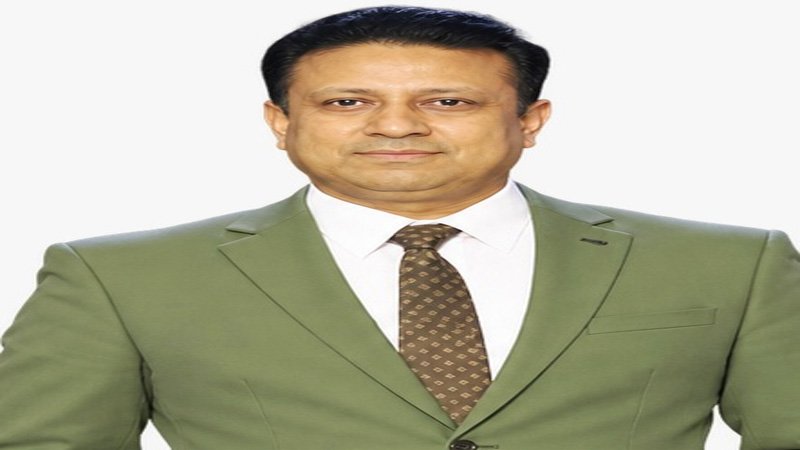
In a conversation with Ajay Kumar Sharma, Joint Director (Marketing), Rajasthan Tourism Department, we discuss the state’s international tourism strategy, the UK market, experiential tourism, film shoots and investment opportunities.
Question: How important are global platforms such as WTM London for Rajasthan Tourism?
Ajay Kumar Sharma: WTM London is not merely a platform for attracting tourists to Rajasthan; it is also an important opportunity to showcase the state’s cultural heritage, wildlife, rural life and diverse tourism experiences to global markets. By engaging with tour operators, travel agents and tourism businesses from around the world, Rajasthan aims to strengthen international partnerships, attract investment and explore new tourism opportunities.
Our endeavour is to connect international travellers not only with Rajasthan’s traditional identity of forts and palaces but also with its emerging tourism attractions. This will diversify visitor experiences and create employment opportunities for local artists, handicraft artisans, guides and small tourism businesses.
We are placing particular emphasis on strengthening Rajasthan’s identity in international markets, improving the quality of tourism services and ensuring that the benefits of tourism reach local communities. This requires engagement with the international travel trade, promotional strategies tailored to market requirements and the effective use of digital platforms. Rajasthan’s diversity, spanning forts and palaces, wildlife, folk culture, rural tourism and film tourism, is its greatest strength.
Question: What do the tourist arrival figures from the UK indicate?
Ajay Kumar Sharma: The number of tourists visiting Rajasthan from the UK has increased over the past few years. In 2022, Rajasthan received 29,532 tourists from the UK. This number rose to 96,394 in 2023, 128,994 in 2024 and 133,978 in 2025. Compared with 2022, tourist arrivals from the UK in 2025 were more than four times higher.
Besides the UK, other European markets are also important to us. In 2025, Rajasthan received 131,270 tourists from France, 82,703 from Germany, 71,636 from Italy and 38,841 from Spain. Understanding the requirements of these markets and the interests of their travellers can help us present Rajasthan’s tourism offerings more effectively.
Question: Rajasthan also recorded a decline in total foreign tourist arrivals in 2025. How do you view this trend?
Ajay Kumar Sharma: Rajasthan received 2,072,407 foreign tourists in 2024, compared with 1,945,068 in 2025. Global conditions, air connectivity, travel costs and changing traveller preferences can influence international travel. Understanding tourist arrival trends in markets such as the UK and developing suitable promotional strategies for different countries can help address these challenges.
Question: How will tourism policies expand investment and employment opportunities?
Ajay Kumar Sharma: The Rajasthan Tourism Policy 2025, Rajasthan Tourism Unit Policy 2024 and Rajasthan Film Tourism Promotion Policy 2025 are important initiatives for advancing new opportunities in the tourism sector. Innovation across areas such as heritage hotels, rural tourism, ecotourism, religious tourism, wellness and destination weddings has created numerous employment opportunities in the state.
Alongside supportive policies, encouraging investment requires infrastructure development, improved tourism facilities, streamlined approval processes and a trained workforce at the local level. Business meetings at international platforms provide an opportunity to familiarise prospective investors and foreign tour operators with Rajasthan’s tourism potential.
Question: How have international films expanded Rajasthan’s tourism appeal?
Ajay Kumar Sharma: Rajasthan’s architectural heritage, forts, palaces, lakes and desert landscapes make it a distinctive destination for film production. When audiences see a location in a film, they often develop an interest in visiting it, creating new opportunities for tourism promotion.
Rajasthan’s historical heritage and distinctive geographical landscapes have continued to attract international filmmakers. The Fall (2006) showcased the state’s architectural heritage and distinctive locations. Wes Anderson’s American film The Darjeeling Limited (2007) also featured Rajasthan’s landscapes. The British-American film The Best Exotic Marigold Hotel (2011) presented Rajasthan’s tourism destinations to international audiences.
Christopher Nolan’s The Dark Knight Rises (2012) showcased the architectural splendour of Mehrangarh Fort in Jodhpur. Similarly, The Second Best Exotic Marigold Hotel (2015) brought Rajasthan’s settings to the international screen.
Films help give Rajasthan’s architectural heritage and visual diversity a global identity. To further develop film tourism, it is important to complement attractive locations with efficient shooting permissions, departmental coordination and the availability of necessary facilities. Film productions can also generate work for local hotels, transport operators, guides and other service providers.