
Bengal’s Changing Political Taste: The Message of Jhalmuri
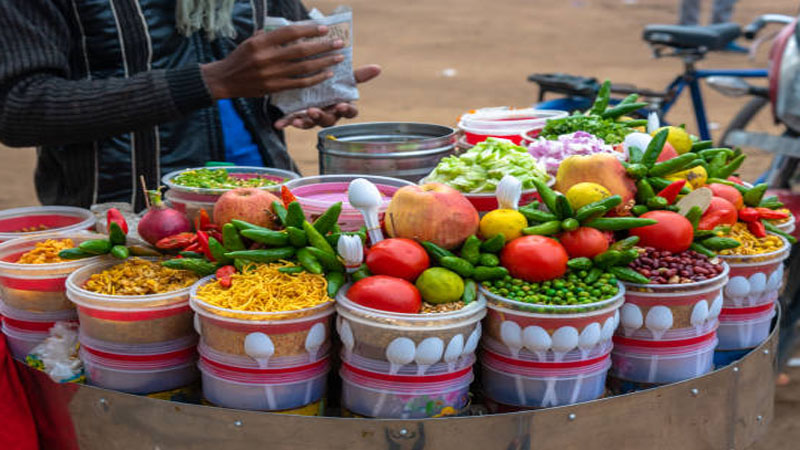
Kolkata: Bengal was once known for the sweetness of rasgulla—symbolising softness, balance and warmth. But today, the political mood of the state seems to be expressing itself through the sharp, spicy flavour of jhalmuri. This is not merely a shift in food symbolism, but a reflection of changing public sentiment—direct, piercing and impossible to ignore.
During Chief Minister Mamata Banerjee’s long tenure, the slogan “Maa, Mati, Manush” resonated strongly across Bengal. However, as time passed, questions began to emerge over who truly belonged within that definition of “Manush” and who did not.
Over the past few years, issues such as election-related violence, attacks on opposition workers, controversies following the 2021 West Bengal Assembly elections, disputes over permissions during religious festivals, incidents of stone-pelting during processions, and repeated concerns over administrative neutrality have remained at the centre of political debate.
Political observers believe that when a government claims inclusivity but a section of society begins to feel ignored or insecure, that perception gradually transforms into public discontent.
Amid this changing political atmosphere, one symbol quietly emerged—jhalmuri.
Every ingredient of Bengal’s iconic street snack is now being interpreted as a metaphor for the state’s shifting political psyche. The puffed rice represents the common people, who absorb every changing circumstance. The peanuts reflect Bengal’s resilient character, remaining firm and crunchy even in difficult times. The layers of onion mirror unfolding political events—from electoral violence to administrative controversies—that forced voters to rethink their choices.
The green chilli symbolises accumulated frustration over the years, while salt represents everyday governance issues—too little and governance feels ineffective, too much and it becomes unbearable. Mustard oil, meanwhile, stands for Bengal’s distinct cultural identity that continues to set it apart.
Political circles also point to a symbolic moment when Prime Minister Narendra Modi was seen sharing jhalmuri with ordinary people. The gesture was viewed as more than a casual snack—it became a symbol of connection, carrying the message that “what is local can also be national.”
While one side sought to establish dialogue through symbolism, the other faced criticism for allegedly allowing confrontation to overshadow communication.
Then came the election verdict. In places where rasgullas were once distributed to celebrate victory, jhalmuri became the snack of choice this time.
It was as if every bite carried a political message:
“The time of sweet promises is over; now sharp experiences will speak.”
According to analysts, the West Bengal election outcome is not merely a verdict against individuals but a response to a political trend where power gradually disconnects from its roots.
In a democracy, when governance loses balance, people restore that balance through their mandate. This time, Bengal’s voters delivered their message not through the sugary language of symbolism, but through the sharp and unmistakable expression of jhalmuri.
The distribution of jhalmuri instead of sweets in several parts of the country after the results of all five assembly elections is also being seen as an indication that Bengal’s evolving political mood is now resonating far beyond the state, reflecting a broader national sentiment.