Rajasthan Marches Towards a New Era of Tourism: Vision 2030 Powered by Heritage, Innovation and Local Experiences
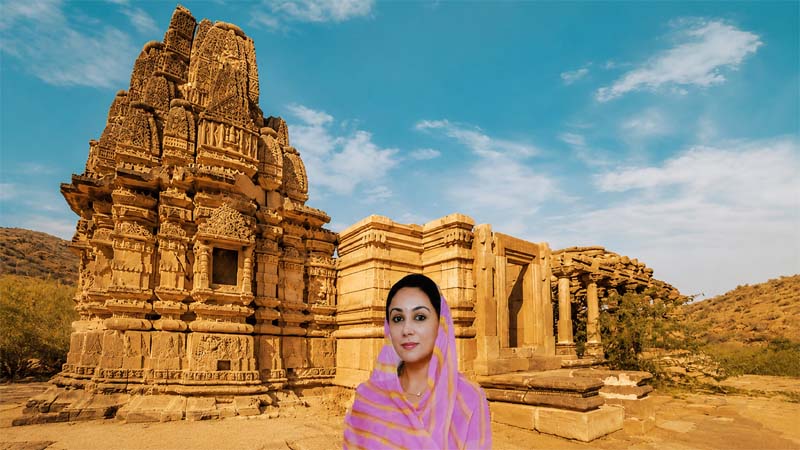
Jaipur: Known across the world for its majestic forts, royal palaces, vibrant culture and vast deserts, Rajasthan is now moving beyond its traditional tourism identity and embracing a new, experience-driven tourism model. With a strategic roadmap aimed at 2030, the state government is working to create a tourism ecosystem that blends heritage conservation with modern infrastructure, rural experiences, digital innovation and sustainable growth.
The vision is not merely to increase tourist arrivals but to transform tourism into a powerful engine of employment generation, cultural preservation and regional economic development.
A New Tourism Narrative for Rajasthan
For decades, Rajasthan has remained one of India’s most visited tourism destinations. However, changing travel trends have reshaped visitor expectations. Modern travelers seek immersive experiences rather than conventional sightseeing. They want to engage with local communities, explore authentic cultures and discover lesser-known destinations.
Recognizing this shift, the Rajasthan Tourism Department is reimagining the state’s tourism landscape by promoting inclusive, experience-based tourism that highlights both its heritage and contemporary offerings.
Heritage Conservation at the Core
Under the leadership of Deputy Chief Minister and Tourism Minister Diya Kumari, the state has placed heritage conservation at the heart of its tourism strategy. Efforts are underway to restore and preserve Rajasthan’s historical treasures, including the world-renowned havelis of the Shekhawati region and numerous other architectural landmarks.
According to Dalip Singh Rathore, Joint Director of the Tourism Department, heritage preservation is not just about protecting the past. It also stimulates local economies by creating opportunities in tourism, hospitality, handicrafts and related sectors.
“Whenever a heritage site is revived, it generates employment, attracts investment and enhances the overall tourism ecosystem of the region,” he said.
New Tourism Circuits Expanding Opportunities
To broaden Rajasthan’s tourism appeal, the state is developing several new tourism circuits. Projects such as the Maharana Pratap Tourist Circuit are connecting historical, cultural and natural attractions that have remained relatively unexplored by mainstream tourists.
The initiative aims to diversify tourist movement across the state and ensure that tourism benefits reach a wider range of districts and communities. By promoting lesser-known destinations, Rajasthan hopes to offer visitors a richer and more comprehensive understanding of its heritage and landscape.
Rural and Tribal Tourism Gains Momentum
Rajasthan’s villages are emerging as important tourism destinations in their own right. Rich in folk traditions, indigenous art forms, local cuisine and traditional lifestyles, rural areas are being integrated into the state’s tourism development strategy.
Visitors are increasingly being offered opportunities to experience folk music, traditional dances, handicrafts, village life and local culinary traditions. This approach not only enhances tourist experiences but also creates sustainable income opportunities for rural and tribal communities.
The initiative is expected to strengthen community participation while ensuring that tourism revenue reaches grassroots levels.
Strengthening Religious Tourism
Religious tourism continues to be a major pillar of Rajasthan’s tourism economy. The government is investing in infrastructure and visitor facilities at prominent pilgrimage destinations such as Nathdwara, Khatu Shyam Ji, Salasar Balaji and Karni Mata Temple.
Improved transportation, parking facilities, accommodation options, sanitation systems and digital information services are being developed to provide pilgrims and tourists with a more comfortable and seamless experience.
Astro Tourism: A New Frontier in the Desert
One of Rajasthan’s most innovative tourism initiatives is the promotion of astro tourism. The clear skies and low levels of light pollution in western Rajasthan make regions such as Jaisalmer, Barmer and Bikaner ideal locations for stargazing and astronomical observation.
Tourism experts believe that astro tourism can emerge as a unique attraction, drawing astronomy enthusiasts, photographers and international travelers seeking extraordinary night-sky experiences.
The initiative has the potential to create a completely new tourism segment for the state while enhancing its global appeal.
Digital Transformation and Global Outreach
As tourism becomes increasingly digital, Rajasthan is leveraging technology to strengthen its presence in global markets. The Tourism Department is utilizing digital campaigns, social media platforms, online marketing tools and emerging technologies to showcase the state’s diverse attractions.
The state is also actively participating in international travel fairs, roadshows and business-to-business tourism events to position Rajasthan as a leading global destination.
These efforts are helping Rajasthan reach new audiences and reinforce its reputation as one of India’s premier tourism hubs.
Vision 2030: Building an Experience-Centric Tourism Destination
Rajasthan’s tourism vision for 2030 is built on a holistic framework that integrates heritage conservation, cultural promotion, modern infrastructure, community participation and international branding.
The objective is to create a tourism model that is sustainable, inclusive and globally competitive while preserving the state’s unique identity.
Industry experts believe that if current initiatives continue at the planned pace, Rajasthan could emerge by 2030 as one of the world’s leading experience-based tourism destinations.
As the state balances tradition with innovation, Rajasthan’s tourism journey demonstrates that tourism is not merely about visiting landmarks—it is about connecting culture, communities, nature and economic development. Built on the foundation of its rich heritage, Rajasthan is now crafting a broader and more dynamic identity on the global tourism map.