Shekhawati’s Historic Havelis Gain Global Recognition, Enter UNESCO Tentative List
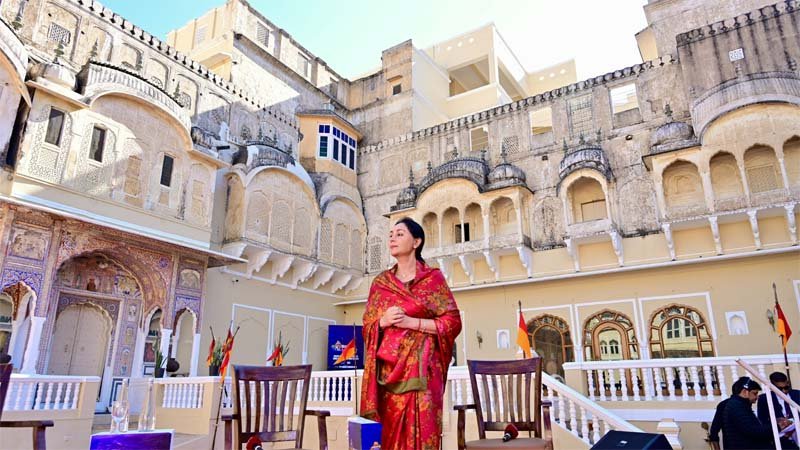
Jaipur: Rajasthan’s iconic Shekhawati havelis have moved a significant step closer to global heritage recognition with their inclusion in UNESCO’s Tentative List, marking an important milestone in the state’s efforts to secure World Heritage status for its distinctive architectural and artistic legacy.
The nomination covers historic havelis and heritage properties across 14 key locations — Alsisar, Bissau, Chirawa, Churu, Dundlod, Fatehpur, Jhunjhunu, Khetri, Laxmangarh, Mandawa, Mahansar, Nawalgarh, Ramgarh and Sikar.
Deputy Chief Minister of Rajasthan Diya Kumari said the inclusion of Shekhawati’s historic havelis in the UNESCO Tentative List was an important achievement for Rajasthan’s heritage and a significant step towards seeking their eventual inscription on the UNESCO World Heritage List.
She said the state government, under the leadership of Prime Minister Narendra Modi, Chief Minister Bhajan Lal Sharma and Union Minister Gajendra Singh Shekhawat, is working continuously towards the conservation, restoration and global promotion of Rajasthan’s rich cultural heritage.
“The inclusion of Shekhawati’s historic havelis in the UNESCO Tentative List is a matter of pride for Rajasthan. It strengthens our efforts to preserve this extraordinary heritage and present it to the world, while also creating new opportunities for heritage tourism and local communities,” Diya Kumari said.
A Unique Living Gallery of Rajasthan’s Heritage
Spread across the Shekhawati region of northeastern Rajasthan, the havelis are renowned for their distinctive architecture and extraordinary fresco paintings. Their richly painted façades, courtyards, gateways and interiors preserve a visual record of the region’s artistic traditions and social and cultural life.
The murals depict a remarkable range of subjects, including religious and mythological themes, portraits, scenes from everyday life, flora and fauna, traditional motifs and representations of technological and cultural influences that reached the region during the 19th and early 20th centuries.
The concentration and diversity of these painted havelis have earned Shekhawati a distinctive place in Rajasthan’s architectural and cultural landscape, making the region an important destination for heritage and cultural tourism.
Towards World Heritage Status
Inclusion in UNESCO’s Tentative List represents an important stage in the World Heritage process. It places the property within the pool of sites that a country may consider for future nomination to the UNESCO World Heritage List.
The development is therefore expected to provide further momentum to efforts for documentation, conservation, restoration and sustainable management of Shekhawati’s historic built heritage.
For Rajasthan, the move also carries significant tourism potential. With its historic towns, painted mansions, traditional streetscapes and distinctive architectural character, Shekhawati can emerge as an even stronger destination for international heritage travellers seeking immersive cultural experiences beyond the state’s established tourism circuits.
The inclusion is expected to strengthen Rajasthan’s efforts to balance heritage conservation with tourism development, while creating greater awareness of Shekhawati’s architectural legacy at the national and international level.