
CM Calls Emergency Meeting Over Rising H1N1 Cases in Delhi, Schools Issued Advisory
Nearly 3,000 influenza cases reported this year, including 2,308 H1N1 infections; Health Minister says situation under control
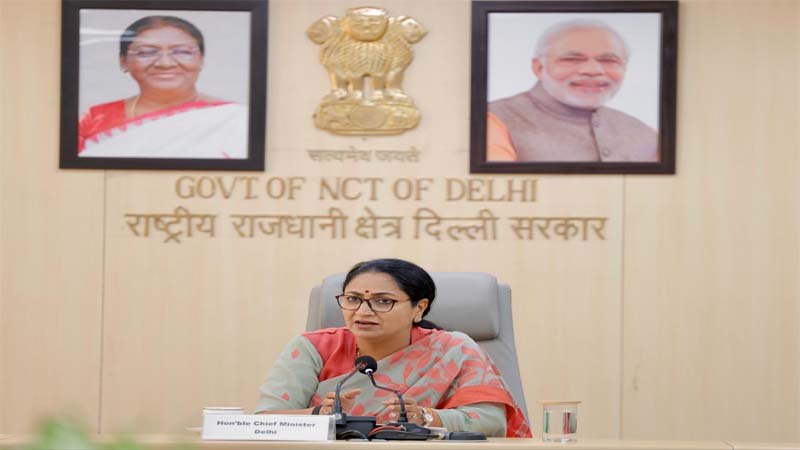
New Delhi: Amid rising cases of H1N1 infection in the national capital, Delhi Chief Minister Rekha Gupta on Tuesday convened an emergency review meeting to assess the preparedness of the authorities. Senior officials from the Health Department, MCD, NDMC and the Delhi Cantonment Board attended the meeting.
Following the review, Health Minister Pankaj Kumar Singh said the situation in Delhi remains under control and that hospitals have adequate doctors, medical staff and medicines to deal with the cases.
According to the Health Minister, nearly 3,000 influenza cases have been reported in Delhi this year, of which 2,308 are H1N1 infections. He said there is no shortage of doctors, healthcare personnel or medicines and that patients are being treated properly.
Isolation Wards Set Up in Hospitals
Pankaj Kumar Singh said the Chief Minister convened the meeting to review preparations to tackle H1N1 and seasonal influenza in Delhi. The preparedness to deal with vector-borne diseases, including illnesses spread by mosquitoes and flies, was also reviewed.
The Health Minister appealed to people not to panic, saying patients are arriving at hospitals, receiving treatment and being discharged after recovery. He said isolation wards have been established in hospitals across Delhi.
He also warned that if any complaint is received regarding a patient being denied a hospital bed, action will be taken against the concerned hospital.
Seasonal Influenza Advisory Issued to Schools
In view of the H1N1 and seasonal influenza cases, the Directorate of Education, Delhi has issued an advisory for all schools in the capital. Government, government-aided and recognised private schools have been directed to remain vigilant and strengthen measures to prevent the spread of infection.
The advisory calls on schools to increase health awareness among students and staff and reinforce respiratory hygiene practices.
Schools have been advised to encourage students and staff to cover their nose and mouth while coughing or sneezing, dispose of used tissues properly and wash their hands regularly with soap and water.
Special Focus on Hand Hygiene
The Education Directorate has placed particular emphasis on hand hygiene to prevent the spread of infection. Students and staff have been advised to wash their hands thoroughly before eating and after coughing or sneezing.
Amid the rising H1N1 cases, the Delhi government has stepped up preparedness by reviewing the availability of healthcare facilities while schools have been directed to strengthen awareness and hygiene measures to prevent infections.
The Health Department’s message is clear: there is no need to panic, but caution, hygiene and adherence to health guidelines remain essential to prevent the spread of infection.