
Beyond “Padharo Mhare Des”: ‘Aavo Ni Padharo Aapne Des’ Redefines Tourism in Rajasthan
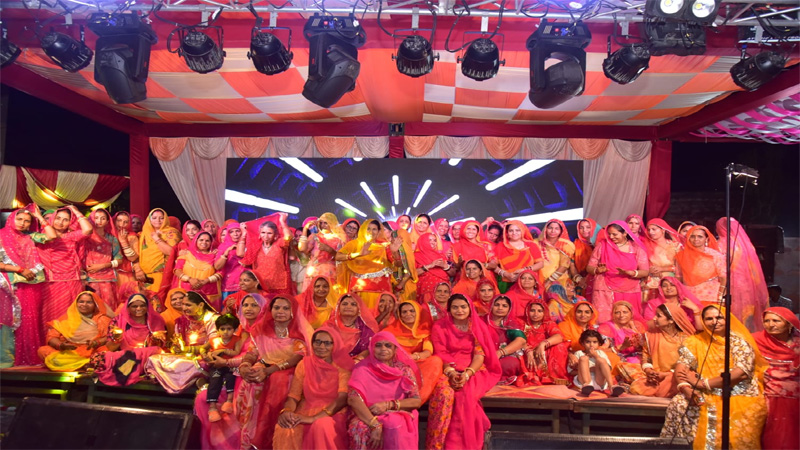
Nagaur (Gotan): Rajasthan is witnessing the revival of a unique centuries-old tradition centered around the daughters of its families. Across remote villages of the state, Baisa Milan ceremonies are bringing communities together as villages warmly invite their daughters and sisters living across India and abroad to return home. Upon their arrival, thousands of families extend a heartfelt traditional welcome, transforming the spirit of Rajasthan Tourism’s famous slogan “Padharo Mhare Des” into a more intimate and inclusive message — “Aavo Ni Padharo Aapne Des” (Come, Welcome to Your Own Land).
The celebrations came alive with vibrant performances of Kalbelia, Chari, and Kachhi Ghodi folk dances. Traditional music and folk songs filled the air, reflecting the living cultural heritage that continues to thrive in Rajasthan’s villages.
A recent example was witnessed in Gotan, Nagaur district, where daughters of the village residing in Delhi, Mumbai, Pune, Chennai, and even Canada returned to participate in the event. Their presence reaffirmed an emotional truth — a daughter’s bond with her parental home never fades. When invited with love and respect, daughters are willing to cross oceans to reconnect with their roots.
The two-day Baisa Sneha Milan emerged as a remarkable celebration of family, culture, and social unity. One of its most touching moments was the presence of four generations—grandmothers, mothers, daughters, and granddaughters—sharing the same stage. The gathering symbolized Rajasthan’s cultural continuity, women’s dignity, and the enduring strength of family bonds.
Heritage Beyond Monuments
The event reinforced the message that Rajasthan’s identity extends beyond its magnificent forts, palaces, and historical monuments. It also lies in social traditions that bind generations together and keep communities connected to their roots.
As a confluence of rural tourism, cultural heritage, and women’s empowerment, the event highlighted that Rajasthan’s greatest treasures are not merely its architectural landmarks but its people, traditions, and social values passed down through generations. These are precisely the authentic experiences that modern travelers increasingly seek.
From Village Courtyards to Global Tourism
According to Dalip Singh Rathore, Joint Director of the Rajasthan Tourism Department, concepts such as “experiential tourism” and “community-based tourism” find their true expression in events like Gotan’s Baisa Milan. Here, visitors are not just spectators; they become participants in local traditions, community life, and cultural relationships.
A Celebration of Respect for Daughters
At its heart, the Baisa Sneha Milan was a celebration of daughters and women. Sisters and daughters were welcomed with traditional chunaris, flower showers, and customary rituals. The gesture symbolized a social philosophy that views women as the foundation of family, society, and culture.
Speakers emphasized the importance of girls’ education, women’s self-reliance, and the elimination of social evils, stressing that the future of any society depends upon the empowerment of its daughters.
The Rare Gathering of Four Generations
Perhaps the most inspiring aspect of the event was the sight of four generations together on one platform. From elderly women in traditional attire to young girls representing the future, the gathering conveyed a powerful message: while times may change, values and traditions continue to unite generations.
At a time when urbanization and changing lifestyles are weakening the concept of joint families, such events help revive social bonds and preserve Rajasthan’s intangible cultural heritage, something that attracts growing global interest.
A New Tourism Model
Tourism expert Mahendra Singh Rathore noted that Rajasthan Tourism is no longer confined to monuments and heritage buildings. The future of tourism lies in immersive experiences that connect visitors with local communities. Events like the Gotan Baisa Milan demonstrate how community-driven celebrations can place rural Rajasthan prominently on the global tourism map.
A Heritage That Shapes the Future
According to organizers Dr. V.S. Rathore and Rishiraj Singh, the event proved that Rajasthan’s culture is not merely a chapter of history but a living way of life. Folk dances are not just performances but repositories of collective memory; the chunari is not merely an attire but a symbol of honor; and the gathering of four generations on one stage is not just a family photograph but a living document of a cultural legacy that has defined Rajasthan for centuries.
The event concluded with a powerful message: when respect for daughters, women’s leadership, and preservation of traditions move forward together, both society and culture flourish. That, they said, is the true identity of Rajasthan—and its greatest tourism asset.